
How High-Net-Worth
Individuals Actually Use
Yachts and Why
Ownership Should Adapt
More yacht.
Less capital.

Ownership designed around the way HNWIs actually live.
HNWIs rarely organise their lives around one asset. Their time is divided between business, family, multiple residences, events, travel and spontaneous opportunities.
Holidays may be planned months ahead, while other opportunities arise with only a few days’ notice. Some yacht days are therefore essential and need to be protected. Others can remain flexible, creating opportunities for spontaneous owner use or commercial charter.
How can I have one yacht available 365 days a year?
How much exclusive yacht capacity do I actually need to create the lifestyle I want?
Fixed at the core. Flexible at the shoulders.
Not every yacht day carries the same importance.
Some dates are fixed and personal: Christmas, a birthday, a family holiday, an anniversary or a major event. Certainty matters on these occasions. Other trips are planned within a broader period, while some yacht use is entirely spontaneous - triggered by friends arriving, perfect weather or an unexpected opening in the calendar.
Even within a single holiday, these different needs can coexist. An owner might protect three essential days around a birthday while remaining flexible during the days before and after.
If an attractive charter opportunity appears during those flexible days, the owner can spend time at a residence or hotel and return aboard later. The important dates remain protected, while commercially valuable yacht capacity is released.
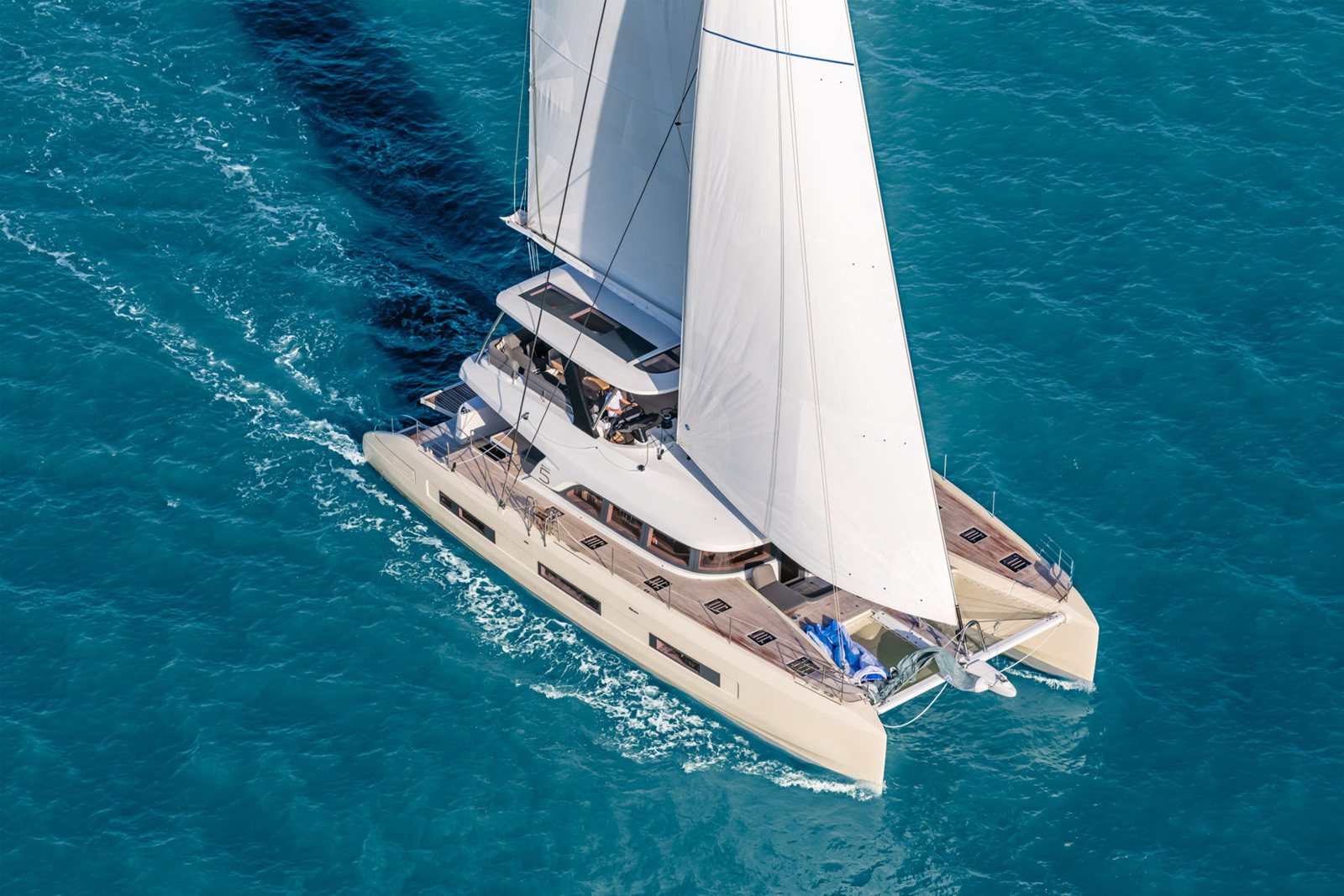
Three weeks in Mallorca do not require three weeks aboard.
Many HNWIs already have access to an extraordinary lifestyle ecosystem around the yacht: private residences, hotels, yacht clubs, restaurants, beach clubs and other experiences.
An owner in Mallorca, for example, may already have a holiday home on the island. They are not travelling there solely because the yacht is available.
A three-week stay therefore does not necessarily mean three continuous weeks aboard. The family might begin at its residence, spend five days cruising Ibiza and Formentera, return to Palma, enjoy a spontaneous day at sea and later take another short cruise around Mallorca and Cabrera.
High lifestyle value. Low opportunity cost.
Five empty days between two confirmed charters may be difficult to sell commercially. For an owner already in Mallorca, however, those same five days can be extremely valuable.
This is where flexibility creates real economic value: yacht capacity with low commercial opportunity cost can deliver high lifestyle value to the owner.
High lifestyle value for the owner already in the destination.
Low opportunity cost for commercial charter.
The less owner usage competes with commercially valuable inventory, the more the yacht can operate. Flexibility itself creates economic value.
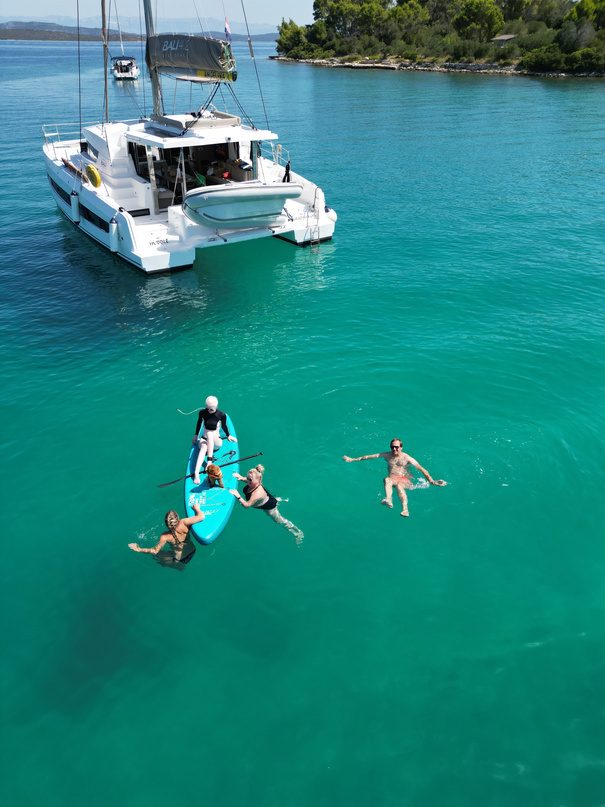
The objective is optimised utilisation, not maximum utilisation.
Different periods should serve different forms of demand.
One calendar. Multiple sources of demand.
Commercial charter leverages capital. Flexibility leverages time.
Morii combines two complementary ideas.
Commercial charter activity supports the economics of the yacht, reducing the proportion that must be supported by owners.
Flexible owner usage unlocks more lifestyle value from the same ownership position.
Intelligent utilisation connects the two.
More yacht from the capital committed. More lifestyle from the time available.
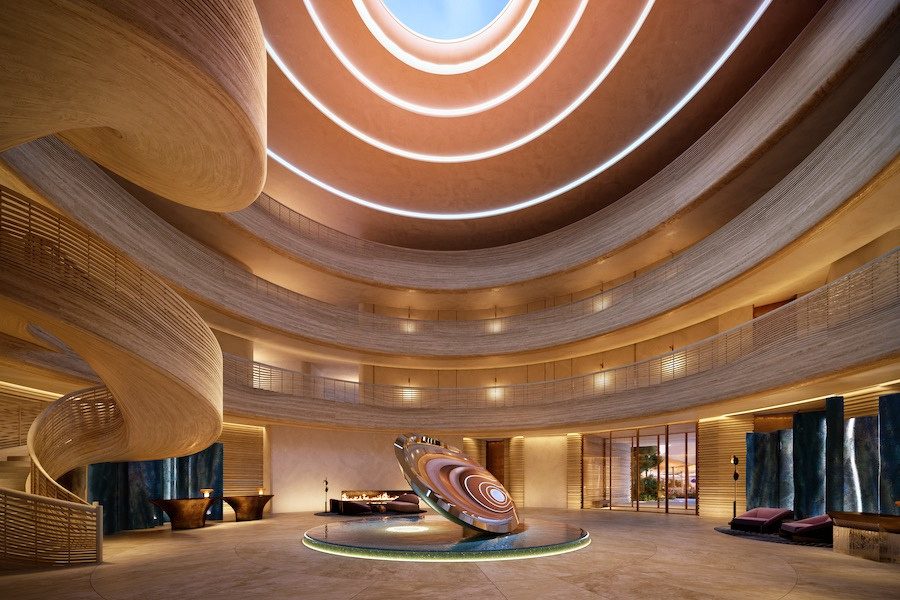
Luxury is not owning 365 days. It is having the right access when it matters.
Modern ownership is not about having a yacht available every day. It is about having the right yacht access when it matters most.
- Protect the dates that matter.
- Reward flexibility where dates do not matter.
- Use commercial activity to support the asset.
- Combine yachts, residences, hospitality and experiences.
- Use intelligent allocation to optimise scarce capacity.
You have read the short version
The complete essay, all 24 chapters: the residences and the hotels, the leverage of commercial charter, the Christmas question, the technology behind the allocation and the network effect. It opens, with the PDF edition, through your Morii account; the Morii team reviews every registration personally. If you have an account, it is already open below.
Create your account, and read onHow High-Net-Worth Individuals Actually Use Yachts, in full
01Ownership designed around the way HNWIs actually live
HNWIs rarely organise their lives around one asset. Their time is divided between business, family, multiple residences, events, travel and spontaneous opportunities.
Holidays may be planned months ahead, while other opportunities arise with only a few days’ notice. Some yacht days are therefore essential and need to be protected. Others can remain flexible, creating opportunities for spontaneous owner use or commercial charter.
The question is not: how can I have one yacht available 365 days a year? It is: how much exclusive yacht capacity do I actually need to create the lifestyle I want?
02Fixed at the core. Flexible at the shoulders.
Not every yacht day carries the same importance.
Some dates are fixed and personal: Christmas, a birthday, a family holiday, an anniversary or a major event. Certainty matters on these occasions. Other trips are planned within a broader period, while some yacht use is entirely spontaneous - triggered by friends arriving, perfect weather or an unexpected opening in the calendar.
Even within a single holiday, these different needs can coexist. An owner might protect three essential days around a birthday while remaining flexible during the days before and after.
If an attractive charter opportunity appears during those flexible days, the owner can spend time at a residence or hotel and return aboard later. The important dates remain protected, while commercially valuable yacht capacity is released.
03The yacht does not exist in isolation
This is particularly relevant because many yacht owners already have a residence at, or close to, the yacht’s cruising area.
A yacht owner in Mallorca may also own a holiday home on the island. The family is not flying to Mallorca solely because the yacht is available from Saturday to Saturday. They are already there. This changes the nature of yacht usage completely.
Morii extends this principle through its own residential ecosystem. In Palma, Morii Residences comprise eight apartments with two rooms each as part of the yacht club environment. At AMAALA, owners have access to a four-bedroom Morii penthouse residence. Owners can use Morii Points for residential stays, creating another layer of flexibility around yacht usage.
A Mallorca holiday could therefore begin at the owner’s own beach house. A gap appears and the family spends four days aboard the yacht. They return ashore. When the holiday home is being used by someone else, they spend several days at the Morii Residence in Palma. Another opening appears in the yacht calendar and they return aboard.
The yacht becomes part of the destination rather than the destination itself.
04Three weeks in Mallorca do not require three weeks aboard
Many HNWIs already have access to an extraordinary lifestyle ecosystem around the yacht: private residences, hotels, yacht clubs, restaurants, beach clubs and other experiences.
An owner in Mallorca, for example, may already have a holiday home on the island. They are not travelling there solely because the yacht is available.
A three-week stay therefore does not necessarily mean three continuous weeks aboard. The family might begin at its residence, spend five days cruising Ibiza and Formentera, return to Palma, enjoy a spontaneous day at sea and later take another short cruise around Mallorca and Cabrera.
05High lifestyle value. Low opportunity cost.
Five empty days between two confirmed charters may be difficult to sell commercially. For an owner already in Mallorca, however, those same five days can be extremely valuable.
This is where flexibility creates real economic value: yacht capacity with low commercial opportunity cost can deliver high lifestyle value to the owner.
The less owner usage competes with commercially valuable inventory, the more the yacht can operate. Flexibility itself creates economic value.
06Commercial utilisation should mirror owner behavior
Morii applies the same principle to commercial demand: different types of calendar availability require different sales channels. Rather than placing every available day on the charter market at once, Morii matches each opening with the demand best suited to it, creating a layered utilisation strategy.
Months ahead, the long-term charter layer protects value: weekly and multi-week charters, marketed well in advance through the MYBA framework and Morii’s international broker network. Prime weeks - the Mediterranean summer, for example - are protected for higher-value bookings.
Around four weeks before departure, still-open inventory fills the gaps: day and multi-day charter through hotels, yacht clubs and local networks, attractive to hotel guests, yacht-club members, locals and visitors already in the destination. It turns perishable inventory into incremental revenue.
And for structurally weak periods that don’t fit normal weekly demand - season, itinerary, position - Morii creates demand: resort stays, cruises, events or expeditions combined into a wider journey. The yacht becomes one element in a larger experience, creating a reason to travel.
07The objective is optimised utilisation, not maximum utilisation
Different periods should serve different forms of demand.
Months ahead: protect premium international weekly and multi-week charter opportunity. Four weeks before departure: open remaining gaps to local, hotel and relationship-driven short-term demand. Structurally weak periods: create packages, events, expeditions and destination experiences. Throughout the calendar: use low-opportunity-cost periods for attractive owner access.
One calendar. Multiple sources of demand.
08Commercial activity effectively leverages the owner’s capital
This commercial utilization strategy is important because Morii starts with a different economic assumption from conventional yacht ownership.
Instead of asking owners to finance 100% of an expensive asset that may remain unused for large parts of the year, the model is designed around using commercial charter activity to support approximately 50% of the asset economics. The practical implication is substantial.
An owner can obtain approximately one quarter of a yacht for the capital that would otherwise buy one eighth, or approximately one half for the capital that would otherwise buy one quarter in an unleveraged structure.
Commercial operation can provide further structural advantages depending on the vessel, jurisdiction and operating structure, including VAT and other tax treatment and access to infrastructure reserved for commercially operated yachts.
Palma provides a practical example, where commercial operation can provide access to commercially designated berthing infrastructure. The best pier in Palma – La Lonja, which is right next to the cathedral – is available only for commercial charter boats.
Morii therefore combines two forms of demand around the same asset: commercial charter when external customers are prepared to pay attractive market rates, and owner utilisation when that capacity creates greater value in the hands of the owners.
09Fixed owner usage remains part of the model
Commercial activity does not mean owners are expected to accept whatever dates happen to remain. An owner can still reserve important usage well in advance.
This fixed usage carries a higher opportunity cost than filling an otherwise empty gap and is therefore treated differently economically. But it remains preferential owner use rather than a conventional retail charter.
Owners receive substantially discounted economics compared with chartering an equivalent yacht on the open market and receive additional ownership benefits, including not being expected to pay the customary charter gratuity. They also retain their economic interest in the underlying yacht.
This creates an important distinction from conventional chartering. A charter customer pays the full commercial price every time and owns nothing when the charter ends.
A Morii owner has access to preferential owner usage, additional flexible-use opportunities and a continuing economic interest in the asset.
10Flexibility creates the greatest upside
A year might include a guaranteed family week booked well in advance, three fixed days around a birthday, several flexible days around that birthday, a five-day gap between commercial charters, spontaneous day trips while staying in Mallorca, ten days in October and an expedition during a repositioning.
Each serves a different purpose. And each consumes yacht capacity with a different commercial opportunity cost.
The owner is not being rewarded for accepting an inferior experience. The owner is being rewarded because flexibility itself creates economic value.
If flexibility increases the income or utilisation of the shared asset, part of that value can effectively flow back to the flexible owner through more favorable usage economics.
Morii therefore rewards the types of usage that interfere least with profitable commercial charter activity.
11You do not have to be flexible to benefit from flexibility
Some owners plan differently. They know their holidays a year in advance and want to secure them. They may have little interest in changing dates because another charter opportunity emerges. The Morii model still works for them.
First, flexible usage remains an option rather than an obligation. Their important dates can be planned conventionally, while spontaneous and highly discounted ancillary usage remains available whenever it happens to suit them.
Second, other owners may be more flexible. One owner wants Christmas. Another prefers October. One spends months in Mallorca and can take three-day gaps. Another likes spontaneous weekends. Another wants long expeditions. Those differences improve utilisation of the shared yacht.
The owner who plans everything twelve months ahead therefore benefits economically from the flexibility of the other owners even without changing his or her own behavior.
Flexibility is optional for the individual, but valuable to the ownership group. There is therefore no requirement for every owner to adopt the same lifestyle.
In fact, the system becomes stronger when they do not.
12What happens when everyone wants Christmas?
Shared ownership does create one unavoidable question: what happens when several owners want exactly the same scarce period? Christmas and New Year are obvious examples.
Morii does not believe the best solution is a first-come, first-served race in which the owner who happens to click fastest wins.
Instead, Morii has developed a software-based allocation process using priority points and allocation rounds. Owners can spend more priority points on dates that are particularly important to them, increasing their priority and certainty for those periods. Allocation rounds are based on scoring rather than reservation speed.
The system also considers allocation history. If an owner repeatedly fails to receive a particularly desired period, this can strengthen that owner’s position in subsequent allocation rounds.
Scarcity cannot be eliminated. Five owners cannot all have the same yacht exclusively at Christmas.
The objective is instead to manage scarce periods fairly and predictably over time while allowing owners to express which dates matter most to them.
13Off-season can be some of the best owner season
The difference between commercial value and lifestyle value becomes particularly apparent outside peak season.
July and August are commercially important in the Mediterranean, but they are also hot, crowded and expensive. The Mediterranean has accumulated an entire summer of heat by September. Sea temperatures remain attractive through September and into October in many areas, while crowds decline significantly.
Destinations also behave differently. Ibiza’s intense summer season declines toward the end of September. Mallorca remains active considerably longer. Palma itself is a sophisticated city throughout the year. A commercially managed yacht can respond accordingly, changing its cruising focus as demand shifts.
For an owner with flexibility, September and October can therefore offer exceptional Mediterranean yacht use while consuming substantially less commercially valuable inventory than peak summer.
“Low season” describes charter demand. It does not necessarily describe the quality of the owner’s experience.
14Follow the seasons rather than owning twelve months in one place
A yacht is mobile. Morii uses that characteristic deliberately.
Rather than concentrating all owner and charter demand into a short Mediterranean summer, suitable yachts can operate complementary seasons. Mediterranean summer can be followed by Red Sea winter.
This creates more opportunities for commercially attractive charter activity, but it also gives owners access to fundamentally different experiences from the same ownership position.
15Expedition mode: when repositioning becomes an experience
Yachts have to move between operating areas. Traditionally, repositioning is viewed primarily as a logistical cost. But some of these journeys can become extraordinary experiences.
An adventurous owner might join a yacht during part of a transfer through the Suez Canal or participate in an organised expedition to the remote Farasan Islands. These experiences can take different forms.
An owner might take the entire yacht with family and friends. Alternatively, selected journeys can operate in a club format, with individual cabins used by like-minded Morii Yacht Club members.
The AMAALA–Jeddah–Farasan concept illustrates how commercial utilisation, club activity and repositioning can overlap. The yacht can depart AMAALA as part of an organised journey, reach Jeddah around the Formula 1 weekend and then continue south toward the Farasan Islands.
Instead of repositioning being treated purely as a cost, the journey itself becomes the product.
16Residences and hotels expand the ecosystem
The same philosophy applies ashore.
Morii’s Palma and AMAALA residences provide owners with bases around which yacht usage can flex. Owners’ own holiday homes add another layer. And exceptional hotels can turn flexible shoulder days into highlights of a journey.
This is particularly relevant in the Red Sea, where resorts such as Desert Rock and Shebara provide experiences fundamentally different from life aboard a yacht. A package might deliberately consist of two nights at a hotel, several days cruising aboard the yacht and another two nights at a destination resort.
For the guest, this creates variety. For the yacht, it can make commercially awkward dates easier to sell. For an owner, the same ecosystem makes it easier to release commercially valuable yacht days without losing holiday quality.
The hospitality network and the yacht operation therefore reinforce each other.
17Strong charter markets and weak charter markets can both benefit owners
There is another unusual characteristic of this structure.
When commercial charter demand is particularly strong, the yacht generates more external income. That supports the economics of the owners’ investment.
When charter demand is weaker, more capacity becomes available for flexible owner use at particularly favorable economics. That increases lifestyle utility.
This does not eliminate yacht ownership risk. Yachts remain expensive assets. They depreciate, require maintenance and consume capital. Morii does not attempt to disguise those characteristics.
It attempts to use the asset more intelligently.
18Optimised utilisation does not mean maximum utilisation
This distinction is important. The objective is not to keep the yacht occupied 365 days a year. Yachts require maintenance, technical work, crew rest, repositioning and downtime. Nor does it make sense to fill commercially available periods simply by discounting them until someone books.
The relevant question for every period is: what is the highest-value use of this capacity?
Sometimes the answer is a premium international charter booked nine months ahead. Sometimes it is a four-day hotel-generated charter booked three weeks ahead. Sometimes it is fixed owner use. Sometimes it is a last-minute owner weekend. Sometimes it is an expedition. Sometimes a hotel-and-yacht package can transform an otherwise weak period into an attractive product. And sometimes the yacht should simply be maintained or remain unused.
The objective is optimised utilisation, not maximum utilisation.
19The technology behind Morii
Doing this across multiple owners, yachts, residences, seasons, brokers, hotels and commercial charter opportunities rapidly becomes too complex for conventional booking management.
There are fixed requests and flexible requests. There are competing owners. There are international weekly charter enquiries. There are local day-charter opportunities that should only be accepted close to departure. There are fragmented gaps, seasonal changes, repositioning periods, residence availability, points and allocation histories. And every decision can affect the economic value of dates before and after it.
Morii has therefore invested substantially in an AI-native software platform designed specifically around this optimisation problem. The development has been made in collaboration with Inafish™︎, a software designed for managing UHNWI assets and the lifestyle ecosystem around it.
It manages calendars and owner usage, supports allocation rounds and priority scoring, identifies different types of availability and helps reconcile owner demand with commercial opportunities. The platform has been built around years of experience with HNWI yachting, yacht ownership and commercial charter management.
It is not intended merely to answer: is the yacht available? The more important question is: who should use this yacht, for what purpose, and when, to create the greatest combined value for its owners?
20The network becomes more valuable as it grows
This creates another advantage. A single shared yacht is primarily an ownership and allocation system. A network of yachts, owners, residences, hotels, brokers, yacht clubs, destinations and experiences becomes something more powerful.
Different owners have different preferences. One wants August. One loves October. One wants Christmas. One can travel with 72 hours’ notice. One spends several months in Mallorca. Another prefers the Red Sea.
At the same time, different commercial customers behave differently. An international charter client may reserve two weeks nine months ahead. A guest at a luxury hotel may decide on Tuesday that he wants a yacht on Thursday. A Formula 1 visitor may be interested in combining a hotel, an event and a yacht journey. An expedition-oriented client may travel specifically because an unusual itinerary exists.
These forms of demand are complementary. The system becomes more efficient precisely because not everybody wants the same thing at the same time.
21More yacht for the capital committed
Morii therefore creates two complementary forms of leverage.
The first is financial leverage through commercial utilisation. Commercial charter activity supports approximately half of the asset economics, with the objective of allowing an owner to obtain materially more yacht participation for the same committed capital.
The second is behavioural leverage through intelligent usage. An owner who combines fixed dates with flexible shoulders, gap-filling, spontaneous use, off-season cruising, residences and expedition opportunities can obtain considerably more lifestyle value from the same ownership position.
Behind both sits a layered commercial strategy that protects high-value international charter inventory while progressively monetising gaps through local charter, hospitality relationships and experiences as departure approaches.
Put simply: commercial charter activity leverages the owner’s money. Flexibility leverages the owner’s time. Intelligent utilisation connects the two.
22Morii is not trying to turn a yacht into a financial product
A yacht remains a yacht. It depreciates. It requires crew, maintenance, insurance and berthing. It consumes capital.
The relevant comparison is therefore not whether yacht ownership can outperform an ETF, private equity fund or another financial investment. For someone who has no desire to spend substantial time aboard yachts, the economically rational answer may simply be not to own one.
The relevant customer for Morii is someone who already intends to spend meaningful money on yachting. For that person, the question becomes: what is the most capital-efficient way to obtain the yacht lifestyle I want?
Traditional charter provides complete flexibility, but the customer pays the full commercial rate every time and retains no interest in the underlying yacht. Full ownership provides maximum control, but one owner carries the entire capital requirement, depreciation and fixed-cost structure. Traditional fractional ownership shares those costs but often allocates usage through relatively rigid calendar structures.
Morii occupies a different position. It combines ownership, commercial charter, flexible utilisation, residences, hospitality, expeditions and intelligent allocation around the way HNWIs actually travel.
23A different definition of luxury
Traditional ownership maximizes control. Morii aims to maximise utility. Those concepts overlap, but they are not identical. A yacht sitting unused for forty weeks because its owner might conceivably want it is providing optionality, but at enormous cost. A professionally operated yacht that is commercially active when the owners do not need it, protected for the dates that genuinely matter and exceptionally attractive to use when commercial opportunity cost is low can create a very different ownership equation.
The owner does not have to choose between owning and chartering. Nor does the owner have to become completely spontaneous. A traditional planner can reserve well in advance. A flexible owner can exploit gaps. A Mallorca resident can use the yacht repeatedly for short periods. A family can protect three days around a birthday while remaining flexible around them. An adventurous member can join an expedition. And all of them can benefit from the fact that the other owners use the yacht differently.
The Morii philosophy can therefore be reduced to a few principles: protect the dates that matter. Reward flexibility where dates do not matter. Protect premium commercial charter opportunities while intelligently filling the gaps around them. Use commercial activity to leverage the asset. Turn commercially weak capacity into high-value owner or guest experiences rather than simply discounting it. Combine yachts, residences, hotels, yacht clubs, events and destinations rather than treating each as an isolated product. Use technology to allocate scarce capacity fairly and optimize the rest.
For many HNWIs, the scarce resource is no longer access to another yacht. It is time. Once that is understood, the relevant question changes. It is no longer simply: “how much of the yacht do I own?” It becomes: “how much of the yacht lifestyle I want can I obtain from the capital I commit?”
For many owners, the answer may be substantially more than traditional ownership models suggest. That is the idea at the heart of Morii Shared Ownership.
24Luxury is not owning 365 days. It is having the right access when it matters.
Modern ownership is not about having a yacht available every day. It is about having the right yacht access when it matters most.
Protect: the weeks and fixed dates that truly matter. Flex: where timing is less important, creating room for smarter allocation. Activate: use otherwise idle periods for charter, repositioning and experiences. Connect: extend ownership beyond the yacht through residences, yacht clubs, hospitality and destinations.
Own the access. Not the idle time.
The essay as a PDF
The complete print edition, ready to forward.